
Glaseado balsámico sin azúcar de Blaire Flory

Sep 09, 2020 10:44:00AM

En la vida hay dos tipos de personas: personas a las que les gustan las salsas y personas que no las gustan. Yo soy una persona a la que le gustan las salsas desde siempre. No importa lo que esté haciendo, comiendo o soñando con hacer para comer, mis primeros pensamientos son...  Las salsas complementarias. Y a veces hay platos que son simplemente vehículos de la salsa, como la salsa lo es para la pasta.

El glaseado balsámico es, sin lugar a dudas, una de mis salsas favoritas de todos los tiempos. Desafío a cualquiera que haya probado alguna vez un tomate madurado al sol cubierto con balsámico añejo a que no esté de acuerdo. Sin embargo, el balsámico es mucho más que una ensalada Caprese. El glaseado balsámico mejora todo, realmente. Se puede usar prácticamente en todo, desde lo dulce hasta lo salado, y agrega casi un elemento umami con su sabor dulce y ácido. A partir de este momento, nunca volverás a tocar una ensalada con balsámico aguado.

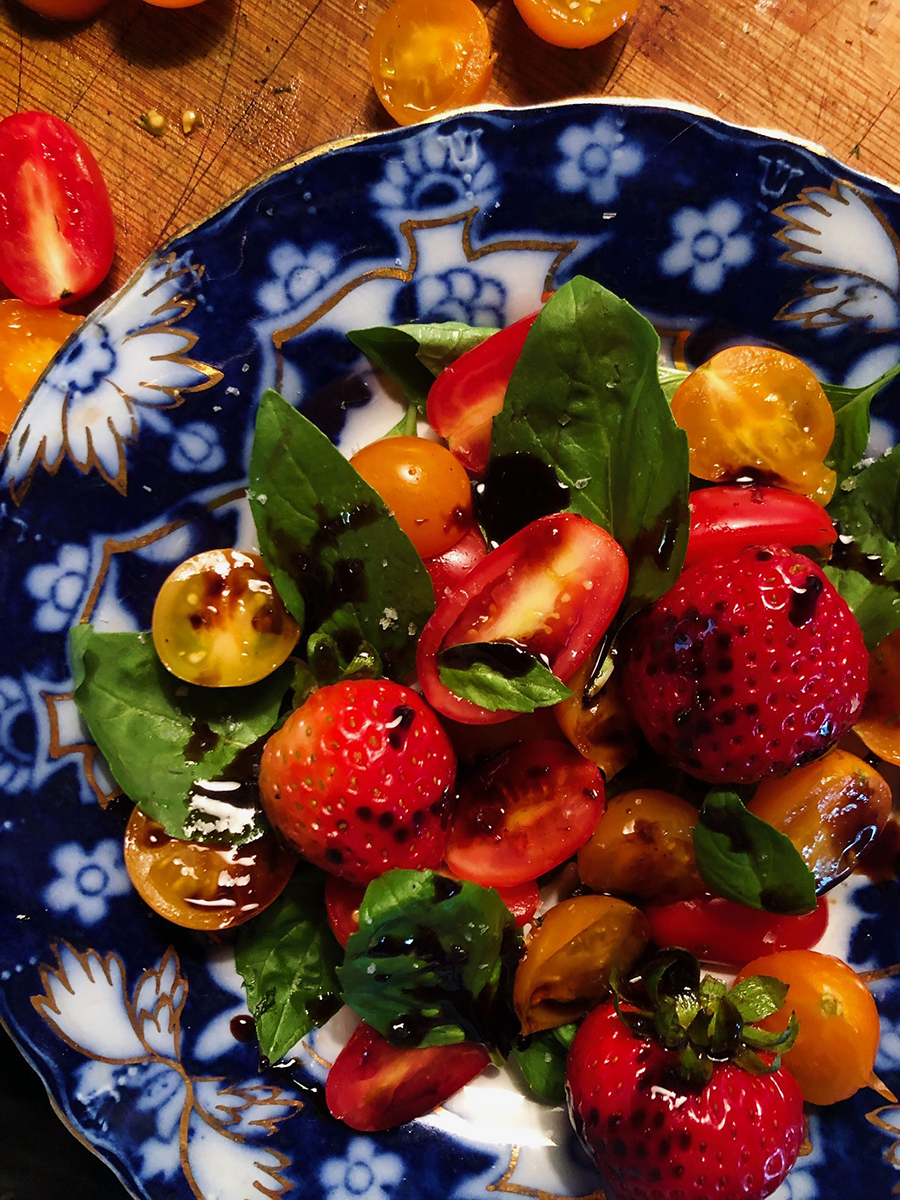
Para hacer el mejor glaseado balsámico

Sugar-Free Balsamic Glaze by Blaire Flory

Sugar-Free Balsamic Glaze by Blaire Flory

Lakanto

Category

Sauce

To make the best balsamic glaze, there are a few things worth noting. Firstly, balsamic vinegar and balsamic glaze are two different things. Think of balsamic vinegar like wine: all are pretty good, yet some are significantly better than others. Unsurprisingly, the older they are, the more expensive they typically are. That said, the ones you buy for cooking are not the same as the ones you buy to consume directly. Due to its aging and production methods, well-aged balsamic is generally quite pricey; however, it is thicker, creamier, and much more luxurious than a watery balsamic. Balsamic glaze, as we are making here, is essentially taking an inexpensive balsamic, adding Lakanto sweetener, and magically turning it into a thick, rich balsamic glaze (which has a strikingly similar taste as aged balsamic). This recipe is truly a life hack.

Just this morning, I actually made the strawberry-balsamic version of this recipe and poured it all over my toasted grain-free baguette that I’d covered in goat cheese. Heaven on earth.

Ingredients

    blank

    • 1/2 cup balsamic vinegar

    • 2 tablespoons Lakanto Baking Sweetener, divided

    blank

    • 1/2 cup of strawberries (blueberries, raspberries, or thinly sliced peaches work as well)

    • 1 tablespoon ginger, finely grated (with a microplane or the finest side of a box grater)

    • Mix of fresh herbs, julienned

    Directions

      blank

      1. Add balsamic to a small sauce pan and heat on medium-low.

      2. After about 3 minutes, it should start to boil gently—at this point, stir in 1 tablespoon of the Lakanto baking sweetener with a wooden spoon until fully incorporated. (Note: the Lakanto will cool the balsamic, so it might take a moment to come back up to a simmer).

      3. Add optional add-ins, if using (see individual notes below).

      4. Continue occasionally stirring the balsamic, paying attention to the reduction of the balsamic, it is done when it has reduced in half, or when you can coat the back of the spoon with balsamic, run your finger through it, and it trails for a moment. When that happens, stir the other tablespoon of Lakanto into the sauce, until fully incorporated.

      5. Remove from heat and pour into a separate bowl and allow to cool slightly before serving.

      Regresar al blog

      Deja un comentario

      Ten en cuenta que los comentarios deben aprobarse antes de que se publiquen.